

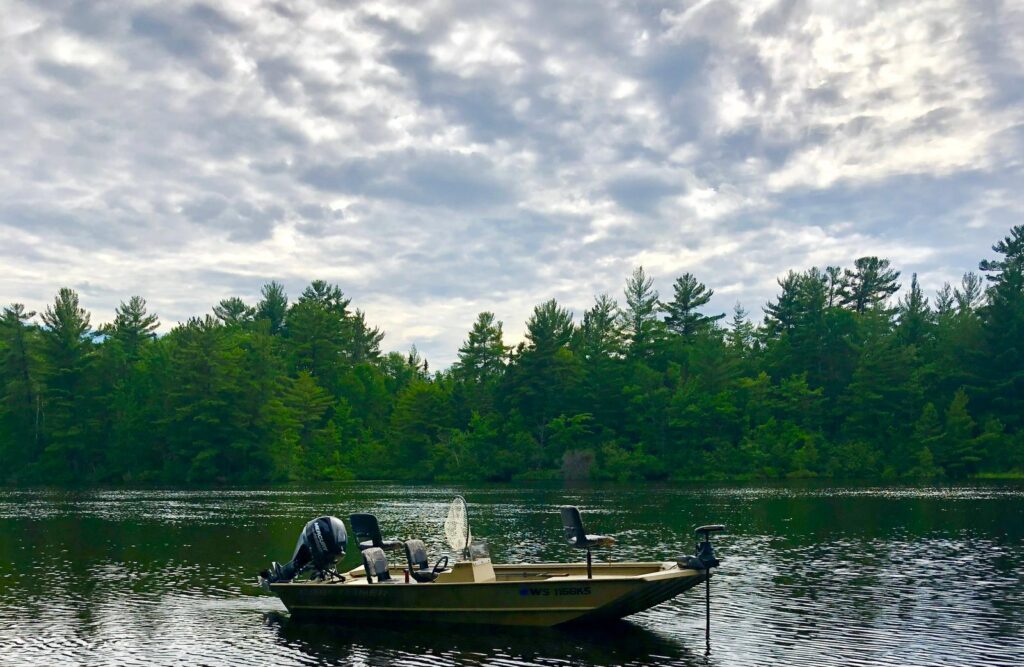
Wisconsin bass fishing is available throughout the state in many different ways, but some approaches are more thrilling than others. The conventional way of fishing is to cover a lot of water and fish with utmost efficiency. Fly fishing, on the other hand, provides a calmer, close-up approach to pursuing fish.For individuals trying fly fishing for smallmouth bass in Wisconsin, the expeditions turn into a life experience. It is not how fast the fish is caught but how well the cast touches upon the water. A difference in fishing methods makes a difference in bass fishing in Wisconsin, making the practice purposeful and even meaningful.
Why Fly Fishing Changes the Way You Approach Smallmouth
Fly angling forces fishers to take a dynamic approach at a slower pace. It is not about getting deep or casting fast, but rather about the method and how the fish respond to changes in action.Which is why fly fishing for Wisconsin smallmouth bass fishing feels different. If you fish right, position right, and time right, then technique and results interlink much better.
What Makes Smallmouth Bass Ideal for Fly Fishing
Smallmouth bass are an excellent species for fly-casting, all the more so due to their behavior and feeding dispositions, while their movement-sensitive nature makes for dazzling targets.For fly fishing smallmouth bass in Wisconsin, anglers gain benefits from:
- Aggressive strikes triggered by natural presentations
- Strong fights that add excitement to each catch
- Movement patterns that respond well to fly placement
- A tendency to hold near structure and current
- Adaptability to different fly styles and retrieves
These characteristics make smallmouth bass one of the most satisfying species for fly fishermen.
The Difference Between Conventional and Fly-Based Bass Fishing
The traditional form of bass fishing is more about speed and the area that a fisherman can cover in the shortest period of time. However, in the case of fly fishing, it is more about accuracy and engagement with water. This can be sensed in each throw, which is more deliberate and certain, or rather, changes are based on the reaction of the fish to particular bait.This contradiction shows another image of bass fishing in Wisconsin: it is not effective to cover more water, but to learn the water as much as possible. In most cases, fly fishing helps individuals enhance their levels of presentation and awareness of fish.
Reading Water for Fly Fishing Success
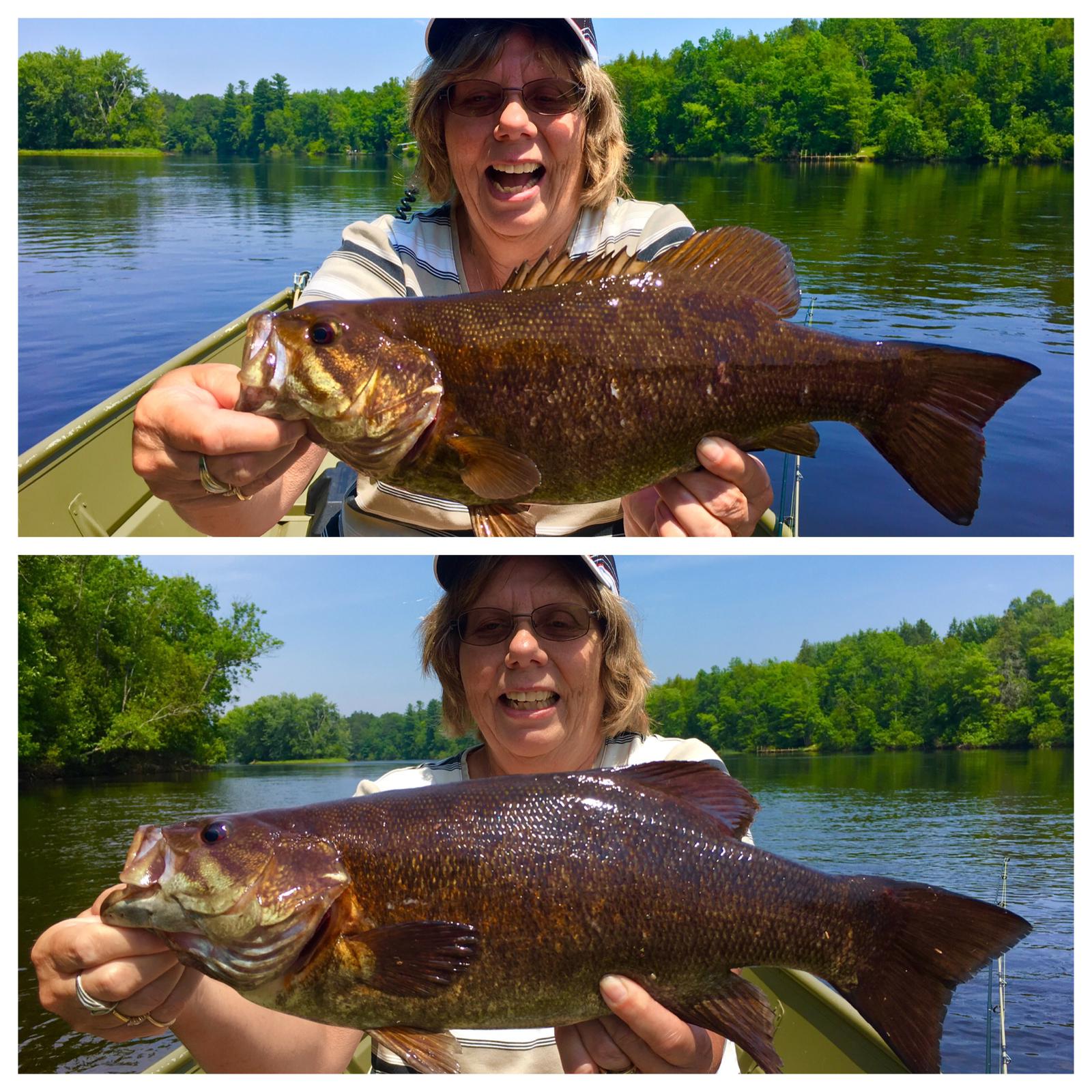 The significance of water for smallmouth fishing is paramount. The current, depth, and structure are slight ingredients that determine how the fish hold themselves or react to a fly.During smallmouth bass fishing trips in Wisconsin, fishermen often target:
- Currents where fish conserve energy
- Shallow-to-deep transitions that create feeding zones
- Structures such as rocks and submerged features
- Calm pockets within moving water
- Areas where natural drift improves presentation
Such observations enable anglers to improve the precision of their casts.
A More Intentional Way to Experience Bass Fishing
Targeting smallmouths in fly fishing is different because it brings in the attention to smaller details, observation more than technique, and most importantly, the element of the water itself. This approach is enriching both for those who are honing their bass fishing skills further and for those who are taking on bass fishing in Wisconsin as a new challenge or a new discipline altogether.Under the skilled supervision of Teacher Todd, Guide Service, any angler can enjoy Wisconsin smallmouth bass fishing using the fly strategies that make the sessions as difficult as possible while ensuring a hit on every fly.
Freqyently Asked Questions
1. What makes fly fishing effective for smallmouth bass in Wisconsin?
It facilitates authentic demonstrations that provoke more immediate responses.
2. Is fly fishing harder than traditional bass fishing?
A different method is needed, but with experience and direction, it gets simpler.
3. Where do smallmouth bass typically hold when fly fishing?
They are typically located close to structures, along current boundaries, and at points where depth changes.
4. Can beginners try fly fishing for smallmouth bass?
Yes, with the right guidance, beginners can quickly learn the basics.
5. What is the key to success in Wisconsin smallmouth bass fishing?
Understanding water movement and adapting presentation to conditions.
