

Smallmouth bass fishing requires anglers to locate the best fishing spot, but experienced anglers know the activity requires more than that. Anglers need to understand fish behavior through three elements: their positioning and timing within their environment. Anglers who lack this knowledge will find it difficult to fish productive waters because they will not understand the waters’ actual performance.The best approach to Wisconsin smallmouth bass fishinginvolves creating a plan that includes specific targets and structured methods. Anglers who work with experienced Wisconsin fishing guides will learn to make decisions rather than guess their fishing methods, which will result in better outcomes throughout their fishing trips.
Where Smallmouth Fishing Becomes a Game of Positioning
Smallmouth bass establish their positions based on environmental factors, including existing structures, current water movements, and available feeding opportunities. The ability to identify their location in space proves to be more critical than mere location selection.The process of guided smallmouth bass fishing tripsshows anglers how minor changes in their positioning create major differences in their fishing outcomes. Anglers develop their fishing skills through this understanding, which helps them adopt a more reliable and strategic approach.
What Guided Trips Change About the Way You Fish
Guided trips lead to better results because they change the way anglers perform their activities on water bodies. Anglers begin to make better fishing decisions after they stop relying on their usual methods.Through guided smallmouth bass fishing trips, anglers often experience:
- A clearer starting strategy based on current conditions
- Better understanding of where fish are positioned within the structure
- Real-time adjustments instead of sticking to one approach
- Improved awareness of how presentation affects response
- More efficient use of time on the water
This shift makes each decision more intentional.
Why Structure Matters More Than Location Names
Anglers often select specific locations they call by particular lake names, yet fish respond to underwater structures. Smallmouth fish use depth changes, rock formations, and transition areas as their preferred feeding and resting locations.Wisconsin smallmouth bass fishing requires anglers to understand lake structure, as this knowledge is applicable across different water bodies. The system reduces dependence on known fishing locations while improving the ability to change fishing strategies.
How Experienced Anglers Evaluate Water Before Casting
Before making a cast, experienced anglers take time to observe. The decision to continue fishing at a location or to search for another spot depends on this particular step.The process of fishing evaluation teaches anglers to understand various methods through their collaboration with expert Wisconsin fishing guides.
- Depth transitions and nearby structure
- Water clarity and light conditions
- Movement patterns influenced by wind or current
- Signs of baitfish or surface activity
- How fish may reposition throughout the day
This habit leads to more efficient and confident decisions.
What Separates Consistent Results from Random Success
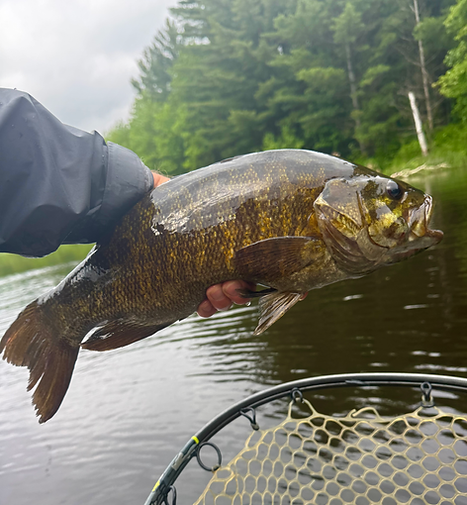 Understanding fishing patterns leads to consistent results rather than chasing individual outcomes. Anglers who recognize how fish behave under different conditions are able to repeat success more reliably.The guided smallmouth bass fishing trips deliver permanent benefits through their fishing methods. The programs teach anglers to create universal fishing processes that will help them achieve better results across all fishing locations.
A More Intentional Way to Approach Smallmouth Fishing
Smallmouth bass fishing becomes more rewarding when anglers pursue their fishing activities with clear objectives. Anglers who comprehend positioning structure and decision-making methods will achieve better results than their current trial-and-error approach. The Wisconsin smallmouth bass fishing experiences, which provide expert guidance from Wisconsin fishing guides and theTeacher Todd Guide Service, lead to better results through their dedicated focus on each fishing trip.
Frequently Asked Questions
1. What makes Wisconsin smallmouth bass fishing unique?
It is, in fact, not about looking for fixed spots but about understanding the structural aspects and the positioning of a fish.
2. How do guided smallmouth bass fishing trips improve results?
They help anglers in their decision-making through live updates on the weather.
3. Why are Wisconsin fishing guides helpful for bass fishing?
They provide locals’ knowledge and insights into how fish perceive structure and movement.
4. Is smallmouth bass fishing difficult for beginners?
It can be challenging, but guidance makes it easier to learn quickly.
5. What is the key to consistent smallmouth bass fishing success?
Recognizing patterns and adapting to changing conditions.
